Phenotype Forge
Research Focus
Our research is mission driven. We want to breed more feed efficient, climate friendly,
climate resilient animals, whilst ensuring high production and animal welfare.
The challenge is that inorder to understand and utilize the genetic variation behind new traits,
we need phenotyping solutions which can phenotype thousands of related individuals.
We strive to continuously push measurement technology to overcome barriers
in 'expensive or difficult to measure traits', by focusing on non-invasive, cost effective,
rapid and large-scale measurements. Species of particular interest are Atlantic salmon, Dairy cattle and Sheep.

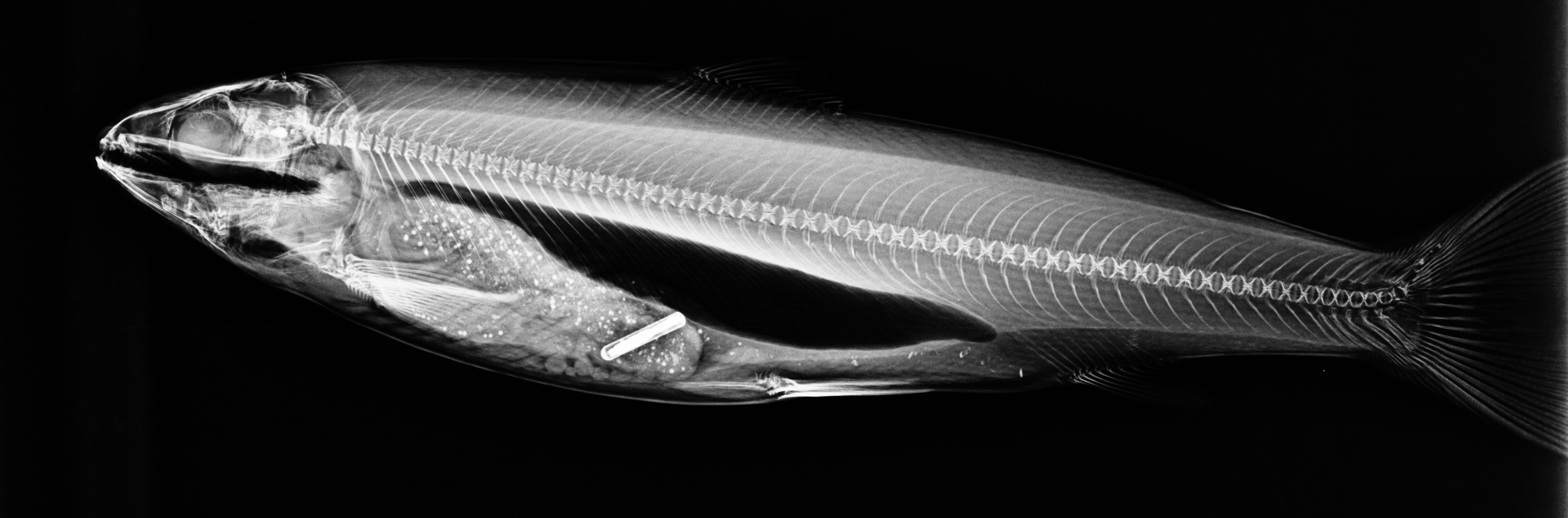
Feed efficiency in salmon
The X-ray method
Recording individual feed intake is extremely challenging in
Atlantic salmon. Using radio-opque beadlets inside the feed we
can X-ray fish after feeding and infer their feed intake
Using image analysis and deep learning we can rapidly count
the beadlets. This research has found feed intake to be heritable
in Atlantic salmon and our current focus is now
understanding the genetic architecuture behind feed efficiency.
In collaboration with Nofima & Mowi Genetics
Read More & Here
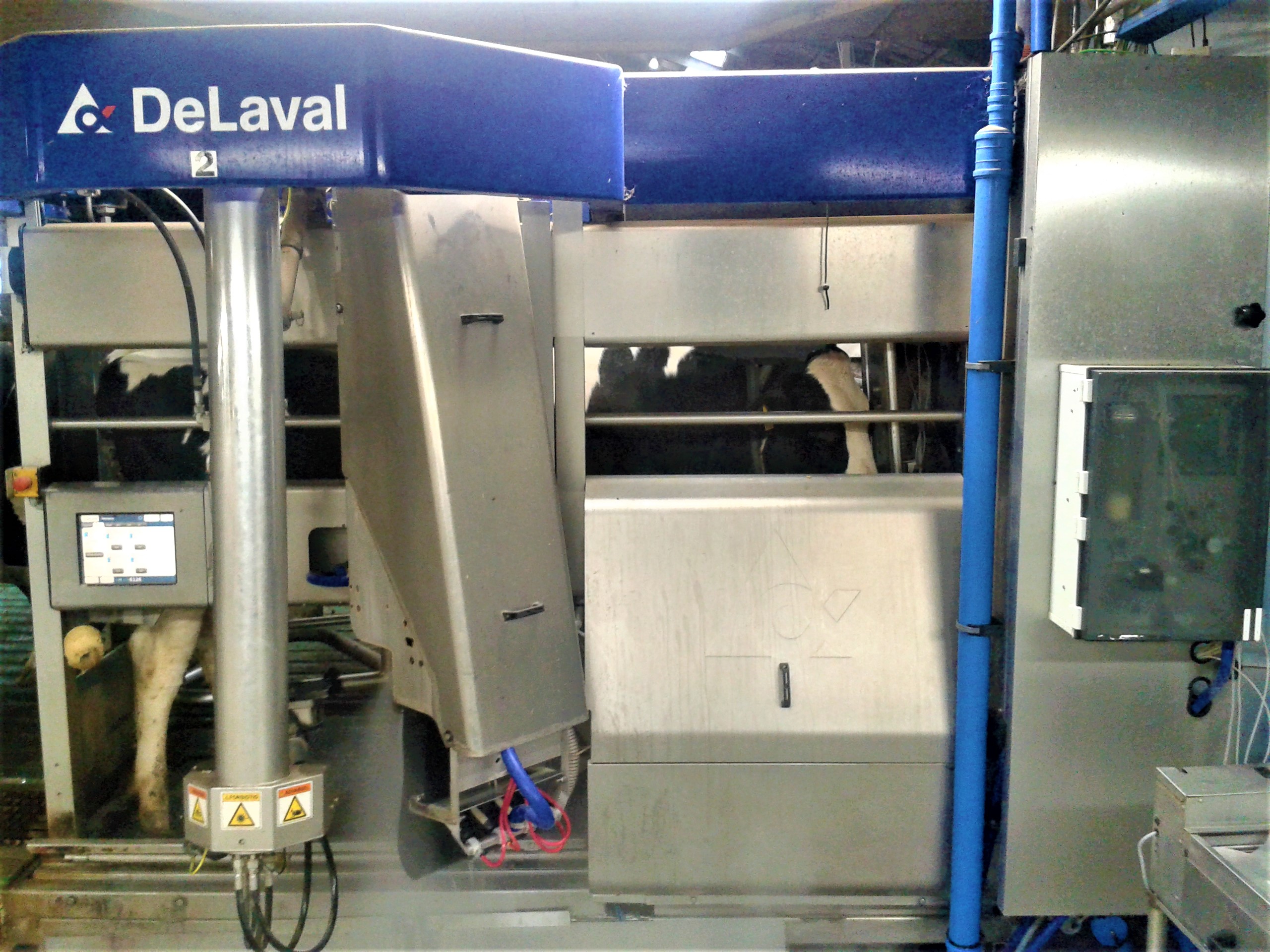
Methane emission in Dairy Cattle
The sniffer method
Dairy cattle & other ruminants produce methane (CH4) as a
natural byproduct of digesting human-inedible fibre. This gas
has a substantial climate warming potential. It is extremely
challenging & costly to record CH4 production using
respiration chambers. By installing 'sniffers' in the feed bin
of automated milking stations, it is possible to measure the
concentration of CH4 in the cows breath, multiple times a day
without the cow even realising. We have found this phenotype
to be significantly heritable & genetically correlated to feed
efficiency, meaning there is potential to improve feed
efficiency & reduce CH4 production.
In collaboration with QGG, Aarhus University.
Read More & Here
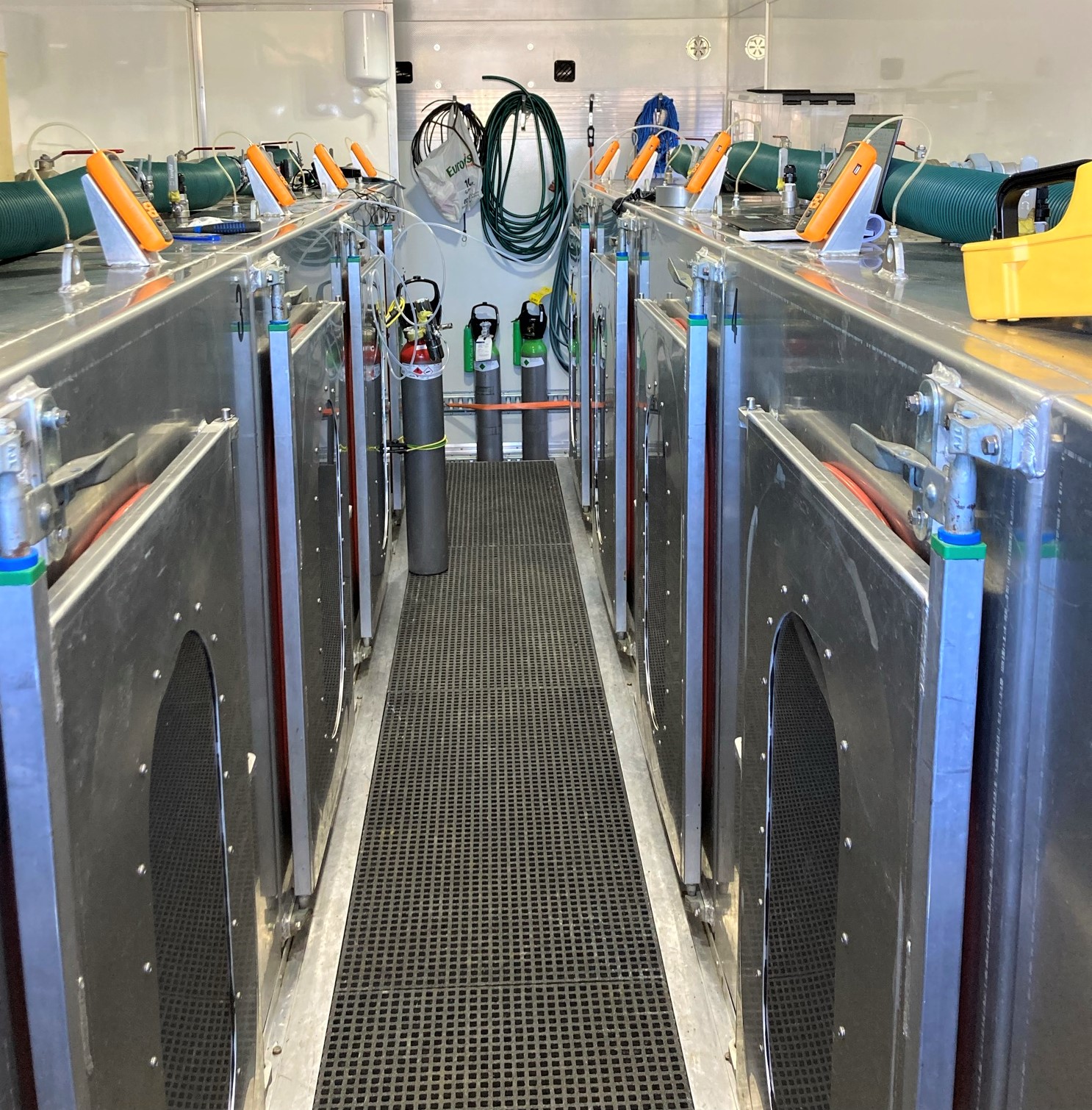
Methane production in sheep
Portable Accumulation Chambers
Portable accumulation chambers (PAC) are a practical method to
record methane (CH4), carbon dioxide (CO2), and oxygen exchange
in sheep. We first validated PAC measurements using controlled
methane release experiments and found the system to be highly
repeatable and precise. More recently, we showed that short-term
PAC gas measurements, combined with body weight and eating time,
can predict dry matter intake in gestating ewes. This opens new
possibilities for scalable intake and feed efficiency phenotyping
in sheep breeding and production systems.
Read More
& Recent Paper
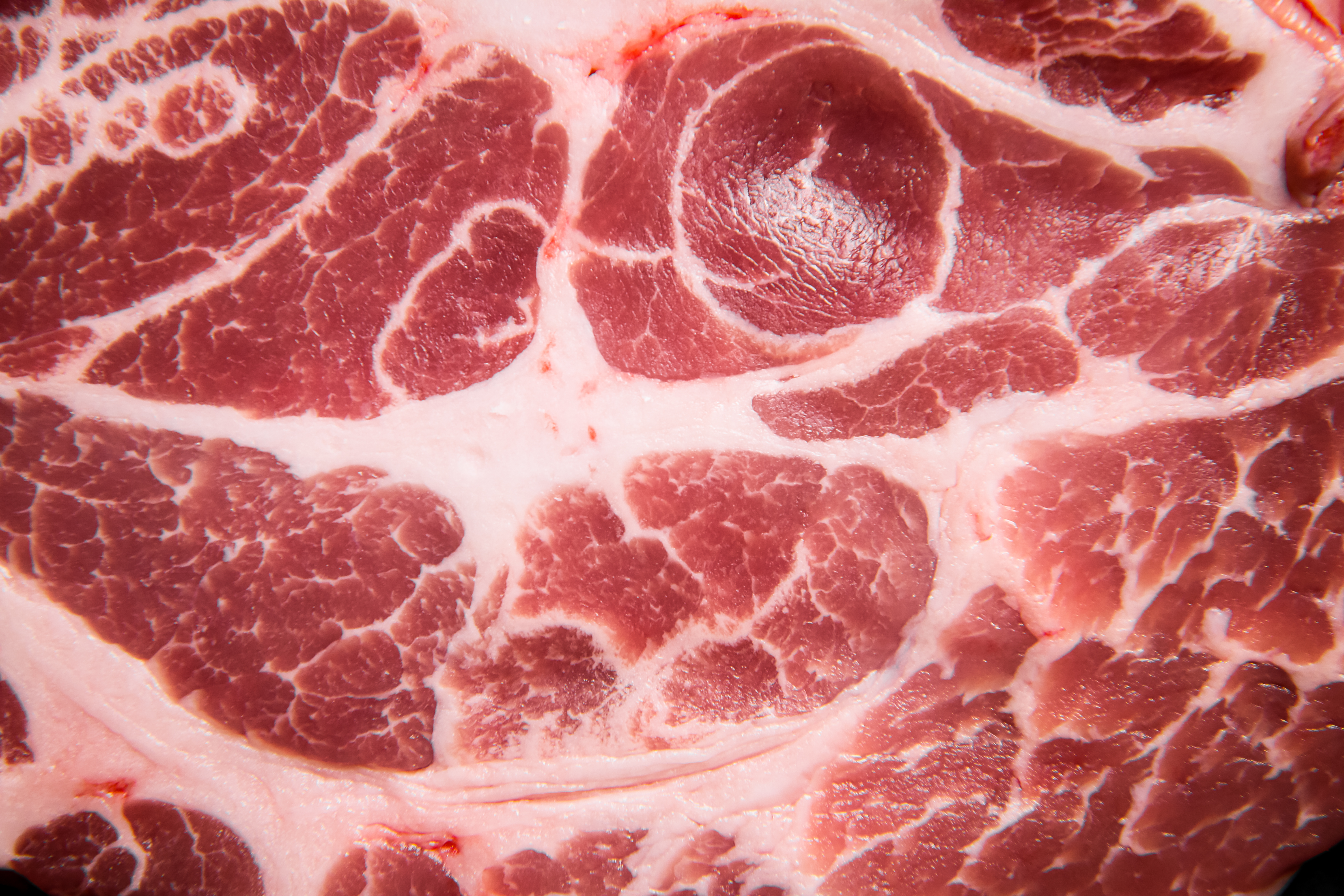
FuturePig
Bridging genetics and nutrition for sustainable pig production
Feed accounts for over 60% of the environmental footprint and production costs of pork. FuturePig aims to improve feed efficiency by combining quantitative genetics, nutrition, stable isotope analysis and life cycle assessment. We investigate whether stable isotope signatures can identify metabolically efficient pigs under commercial conditions, providing new opportunities for breeding more feed-efficient animals. The project also evaluates the nutritional value of novel feed ingredients and assesses how breeding and feeding strategies influence the sustainability of pig production. FuturePig is led by NMBU in collaboration with Norsvin R&D and Felleskjøpet Fôrutvikling, and is funded by the Research Council of Norway.
Members of the Forge
-
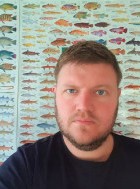
Gareth Difford
Lead PI
Forging phenotypes
-
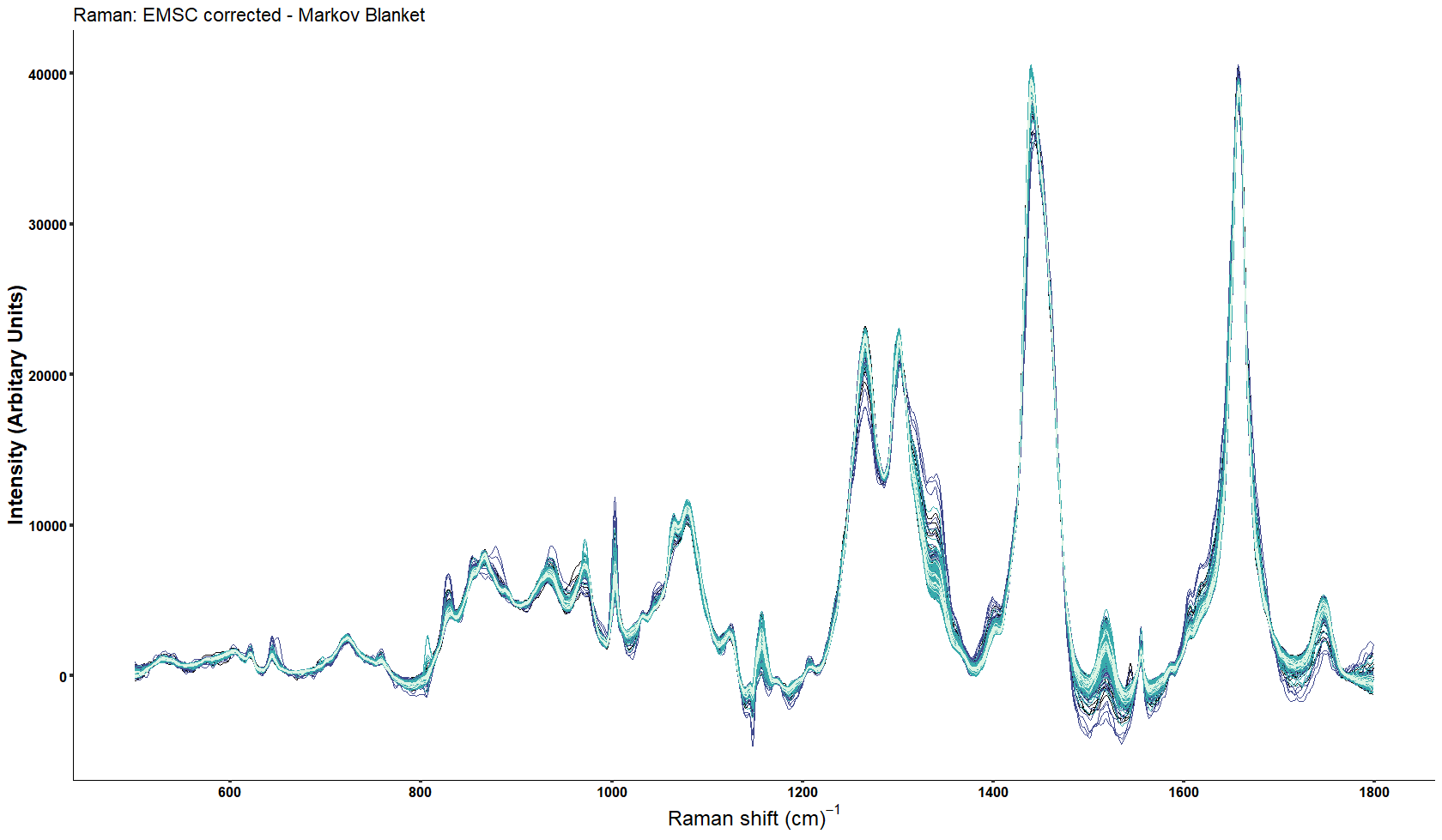
Jisoo Park
PhD candidate
Genetic improvement of Omega-3 content
in Atlantic salmon using Raman spectroscopy -
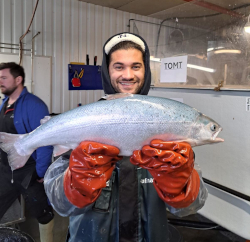
Nicholas Jacob
PhD candidate
Image Analysis for High Throughput
Phenotyping of Nile Tilapia Body Weight -
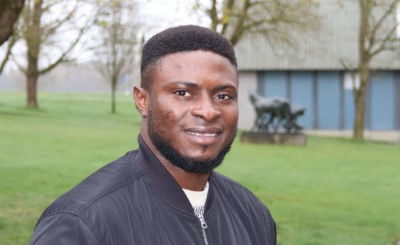
Emmanuel Okoli Odah
PhD Candidate Marie Skłodowska-Curie
Hologenomics of resource efficiency
in Atlantic salmon
Alumni of the Forge
- Nicholas Jacob. 2024 MSc European Master in Animal Breeding & Genetics.
Image Analysis for High Throughput Phenotyping of Nile Tilapia Body Weight. - July Ariñez 2024. MSc European Master in Animal Breeding & Genetics.
Estimating microbiability and heritability in Atlantic salmon for feed efficiency. - Avnik Orbelians 2024. MSc Data Science.
Automated wound detection with Hyperspectral images in Atlantic salmon. - Giosue Vaccari 2024. MSc European Master in Animal Breeding & Genetics.
Genetics of gluttony measured with automated feeding stations in turkey. - Aqeel Ahmad. 2025. PhD in Animal Breeding and Genetics.
High-throughput digital phenotyping and quantitative genetics for feed efficiency in Atlantic salmon. - Martine Karlsnes. 2025. MSc Master in Animal Science.
Image Analysis for Intestinal Morphology and genetic links to feed efficiency in Atlantic salmon. - Johan Dompidal. 2026. MSc Master in Animal Science.
Using stable isotope analysis as an indicator to assess feed efficiency in pigs.
"In the age of the genotype, phenotype is king" Professor Mike Coffey